
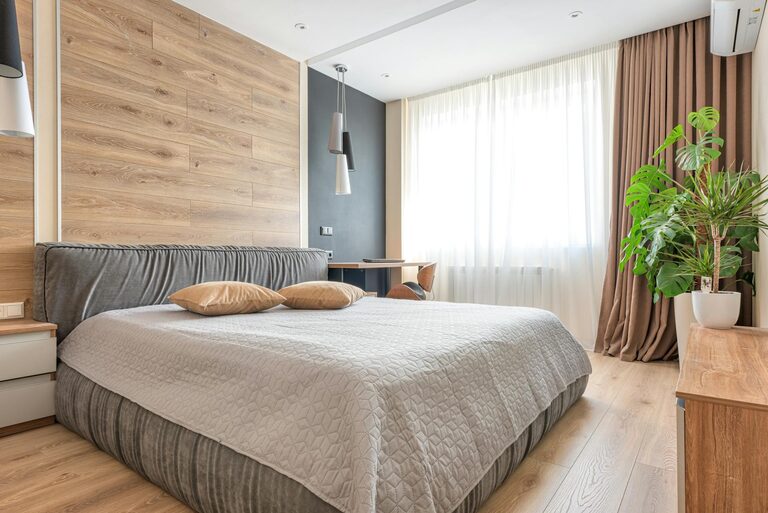
Creating a comfortable atmosphere in your home starts with good lighting. The right lighting not only helps you see better but also affects your mood, productivity, and the overall ambiance of each room. Whether you’re redecorating or simply updating your fixtures, choosing lighting that feels comfortable and complements your space is essential. In this post, we’ll explore helpful tips to guide you through selecting home lighting that enhances comfort and style.
Understanding Different Types of Home Lighting
Before diving into tips, it’s important to understand the main types of lighting commonly used in homes:
– Ambient Lighting: The general, overall illumination in a room. Examples include ceiling-mounted fixtures and recessed lights.
– Task Lighting: Focused lighting for specific activities like reading, cooking, or working. Desk lamps and under-cabinet lights fall into this category.
– Accent Lighting: Used to highlight features such as artwork, plants, or architectural details. Think track lights or wall sconces.
Balancing these lighting types creates a well-lit and comfortable environment.
Tips for Choosing Comfortable Home Lighting
1. Consider the Purpose of Each Room
Different rooms have different lighting needs:
– Living Room: Aim for adjustable lighting with dimmers to switch between bright and cozy moods.
– Kitchen: Bright, focused task lighting is essential, especially over countertops and sinks.
– Bedroom: Soft, warm lighting creates a relaxing environment. Bedside lamps with adjustable brightness are great.
– Bathroom: Even, shadow-free lighting around mirrors is important for grooming tasks.
Tailoring the lighting to what you’ll do in each space improves comfort and functionality.
2. Choose the Right Light Bulbs
Light bulbs drastically affect the atmosphere:
– Color Temperature: Measured in Kelvins (K), this defines the warmth or coolness of light.
– Warm white (2700K–3000K): Inviting and cozy, best for living rooms and bedrooms.
– Neutral white (3500K–4500K): Balanced, good for kitchens and bathrooms.
– Cool white (5000K+): Bright and energizing, suitable for workspaces.
– Brightness: Measured in lumens, choose brightness levels appropriate for the size and purpose of the room.
– Energy Efficiency: LED bulbs are energy-efficient, long-lasting, and often come in adjustable colors.
3. Use Multiple Light Sources
Instead of relying on a single overhead fixture, layering lighting enhances comfort:
– Combine ceiling lights with floor lamps and table lamps.
– Add task lighting in work areas.
– Use accent lights to create interest and depth.
Multiple sources allow you to adjust light levels and reduce eye strain.
4. Install Dimmers and Smart Controls
Having the ability to control brightness makes any lighting setup more versatile:
– Dimmers let you adjust light intensity to suit different activities and times of day.
– Smart lighting systems can be programmed or controlled remotely via apps, offering customization and convenience.
Dimming prevents harsh lighting and fosters a relaxing ambiance.
5. Think About the Direction and Quality of Light
How light shines on surfaces influences comfort:
– Avoid harsh direct glare by using diffusers, frosted glass, or lampshades.
– Position lamps so that light reflects off walls or ceilings softly.
– Opt for fixtures that provide even lighting without strong shadows.
Soft, well-distributed light reduces eye strain and creates a welcoming atmosphere.
6. Match Lighting Style With Your Decor
Lighting fixtures contribute to the room’s look:
– Choose designs that complement your home’s style, whether modern, rustic, or classic.
– Consider materials and colors that blend well with your furniture and color scheme.
Comfortable lighting feels good visually and fits your home’s personality.
7. Maximize Natural Light
Don’t underestimate the power of daylight:
– Use sheer curtains or blinds that allow light while maintaining privacy.
– Place mirrors strategically to bounce natural light deeper into rooms.
– Keep windows clean and uncluttered.
Natural light positively impacts mood and comfort, and reducing reliance on artificial light saves energy.
Final Thoughts
Choosing comfortable home lighting involves more than just picking pretty fixtures. It’s about creating a balanced, adaptable environment that suits each room’s purpose and your lifestyle. By considering light types, bulb choices, layering sources, and controlling brightness, you can design a home lighting setup that’s both functional and inviting. Take the time to experiment and adjust your lighting—your eyes and mood will thank you!
Whether you’re renovating or just updating a few bulbs, these tips can help you achieve lighting that truly feels like home. Happy lighting!