
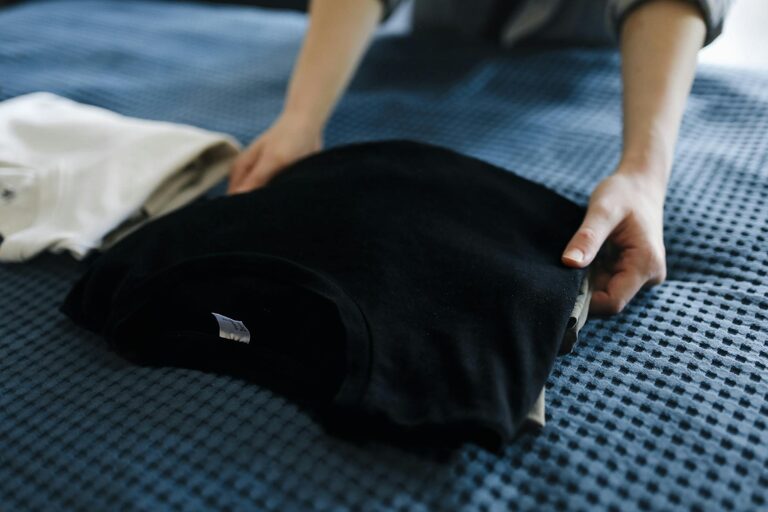
A good night’s sleep starts with comfortable, well-maintained bedding. Whether you have new sheets, a cozy comforter, or a mattress, taking care of these essentials can make a big difference in your sleep quality and the lifespan of your bedding. In this post, we’ll explore how to properly rotate and care for bedding to maintain comfort, freshness, and durability.
Why Rotate Bedding?
Rotating bedding items, such as mattresses, pillows, and comforters, helps prevent uneven wear and tear. This consistent use across the entire item extends its functional life and keeps it comfortable. For example, mattresses develop impressions or sagging if used unevenly. Rotating and flipping them regularly can reduce this problem. Similarly, turning pillows and comforters prevents them from becoming lumpy or flattened on one side.
How to Rotate Different Bedding Items
1. Mattresses
Most mattresses benefit from regular rotation to keep them supportive and comfortable:
– Rotate every 3 months: Rotate your mattress 180 degrees so the head is where the feet were. This evens out wear.
– Flip if possible: If your mattress is double-sided, flip it over along with rotating.
– Check manufacturer recommendations: Some mattresses should not be flipped, so always check instructions.
2. Pillows
Pillows lose their shape over time and benefit from simple care:
– Fluff daily: Fluffing your pillow daily helps restore its shape.
– Rotate weekly: Rotate pillows end-to-end or front to back weekly.
– Replace every 1-2 years: Even with rotation and care, pillows eventually lose support.
3. Comforters and Quilts
These bedding layers should be regularly maintained to look fresh and stay comfortable:
– Shake out weekly: Give comforters a good shake to redistribute filling.
– Rotate and flip monthly: Turn comforters over and rotate corners to even out wear.
– Air out regularly: Hang comforters outside on a dry day to freshen them up.
4. Sheets and Pillowcases
Sheets also benefit from rotation, mainly by regularly changing which set you use:
– Use multiple sets: Have at least two to three sets of sheets to rotate through.
– Rotate nightly: Change which set you sleep on to avoid wearing out one set too quickly.
– Wash regularly: Wash sheets once a week or as needed to keep them clean.
Proper Care Tips for Bedding
Rotation alone isn’t enough—proper care keeps your bedding in the best condition.
Washing
– Follow care labels: Always follow manufacturer instructions for washing temperature and methods.
– Use gentle detergents: Mild detergents help preserve fabric quality.
– Avoid fabric softeners: They can build up on sheets and reduce absorbency.
– Wash in cold or warm water: Hot water can damage fibers over time.
Drying
– Use low heat: High heat can weaken fibers and shrink items.
– Dry bedding completely: Damp bedding may smell or encourage mildew.
– Air dry when possible: Sunlight naturally kills bacteria and freshens fabrics.
Storage
– Store sheets and blankets in a cool, dry place: Avoid plastic bags which trap moisture.
– Use breathable cotton bags or pillowcases: These protect bedding while allowing airflow.
– Keep bedding away from direct sunlight: Prolonged exposure can fade colors.
Signs You Should Replace Bedding
Despite good care, bedding will eventually need replacing for comfort and hygiene.
– Mattress: Sagging or lumps, waking up with aches, or mattress age over 8–10 years.
– Pillows: Flatness, lumps, or allergies worsening.
– Sheets: Thinning fabric, holes, or persistent stains.
– Comforters: Clumping filling or loss of warmth.
Final Thoughts
Proper rotation and care help your bedding last longer and keep your sleeping environment fresh and cozy. By adopting these simple habits, you protect your investment and create a more comfortable place to rest each night. Remember, a little effort in care goes a long way toward better sleep and bedding durability!