
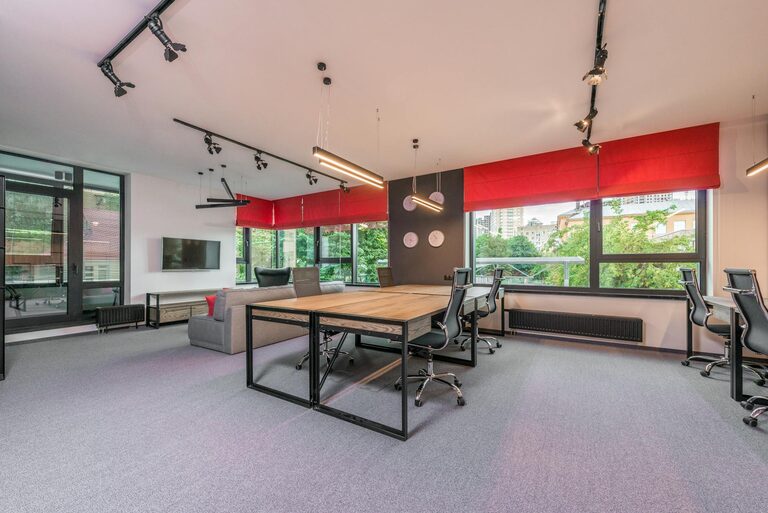
Choosing the right desk chair is essential for anyone who spends hours working at a desk. A comfortable chair not only boosts productivity but also supports your health by promoting good posture and reducing fatigue. With so many options available, selecting the perfect chair can feel overwhelming. This guide offers helpful tips to find a desk chair that fits your needs and keeps you comfortable throughout the day.
Why Comfort Matters in a Desk Chair
Long periods of sitting can cause discomfort, muscle strain, and even long-term health issues like back pain or poor circulation. A well-designed desk chair eases these risks by providing proper support and encouraging natural posture. Comfort increases focus and efficiency in your daily tasks, making a good chair a worthy investment.
Key Features to Look for in a Comfortable Desk Chair
Not all desk chairs are created equal. Here are the essential features that contribute to comfort and functionality:
1. Adjustable Height
Height adjustment is critical for aligning your chair to your desk and body. Your feet should rest flat on the floor with knees at a 90-degree angle. This position reduces strain on your legs and lower back.
2. Lumbar Support
Look for chairs with built-in lumbar support or the option to add one. Proper lumbar support maintains the natural inward curve of your lower spine and helps prevent slouching.
3. Seat Depth and Width
A seat that’s too deep or too shallow can cause discomfort. Aim for a seat that supports most of your thighs without putting pressure behind your knees. A wider seat also allows more freedom of movement.
4. Adjustable Armrests
Armrests should support your arms comfortably while allowing your shoulders to relax. Adjustable armrests help accommodate different tasks and body sizes.
5. Breathable Material
Materials like mesh allow air circulation, keeping you cool during long work hours. Upholstered chairs offer padding but may retain heat more.
6. Swivel and Mobility
A chair that swivels and rolls smoothly reduces the need for awkward twisting or reaching. It helps maintain ergonomically safe movements.
Measuring Your Workspace and Body
Before purchasing a chair, understand your workspace dimensions and your own measurements to ensure a good fit.
– Measure the height of your desk surface.
– Check the floor-to-seat height range on the chair.
– Know your height, leg length, and arm length for better adjustment compatibility.
Tips for Testing a Desk Chair
When possible, try the chair before buying. Here is what to check:
– Sit for 10-15 minutes to test comfort over time.
– Adjust the features to your preferred settings.
– Verify that your feet remain flat on the floor or on a footrest.
– Ensure your back feels supported but not restricted.
– Check if the armrests allow you to relax shoulders.
Additional Considerations
Ergonomics vs. Style
It’s easy to focus on a chair’s look, but prioritize ergonomics for daily use. Many modern chairs blend comfort with appealing designs.
Budget Range
Comfort does not always require a high price tag. However, higher-quality chairs often provide better support and durability.
Maintenance and Durability
Consider materials that are easy to clean and wear-resistant if you plan to use the chair extensively.
User Reviews and Ratings
Reading reviews can provide insights into comfort and performance from real users.
Caring for Your Desk Chair
Once you have the right chair, maintain it to prolong its comfort and lifespan:
– Periodically tighten screws and bolts.
– Clean fabrics or mesh as per instructions.
– Lubricate moving parts if needed.
Conclusion
Choosing a comfortable desk chair is an important step to creating a productive and healthy workspace. Focus on adjustability, support, and proper fit for your body and desk setup. Trying out multiple chairs and paying attention to the features outlined here will help you make an informed and satisfying choice. Remember, investing time and effort into selecting the right chair today will pay off in comfort and well-being for years to come.